
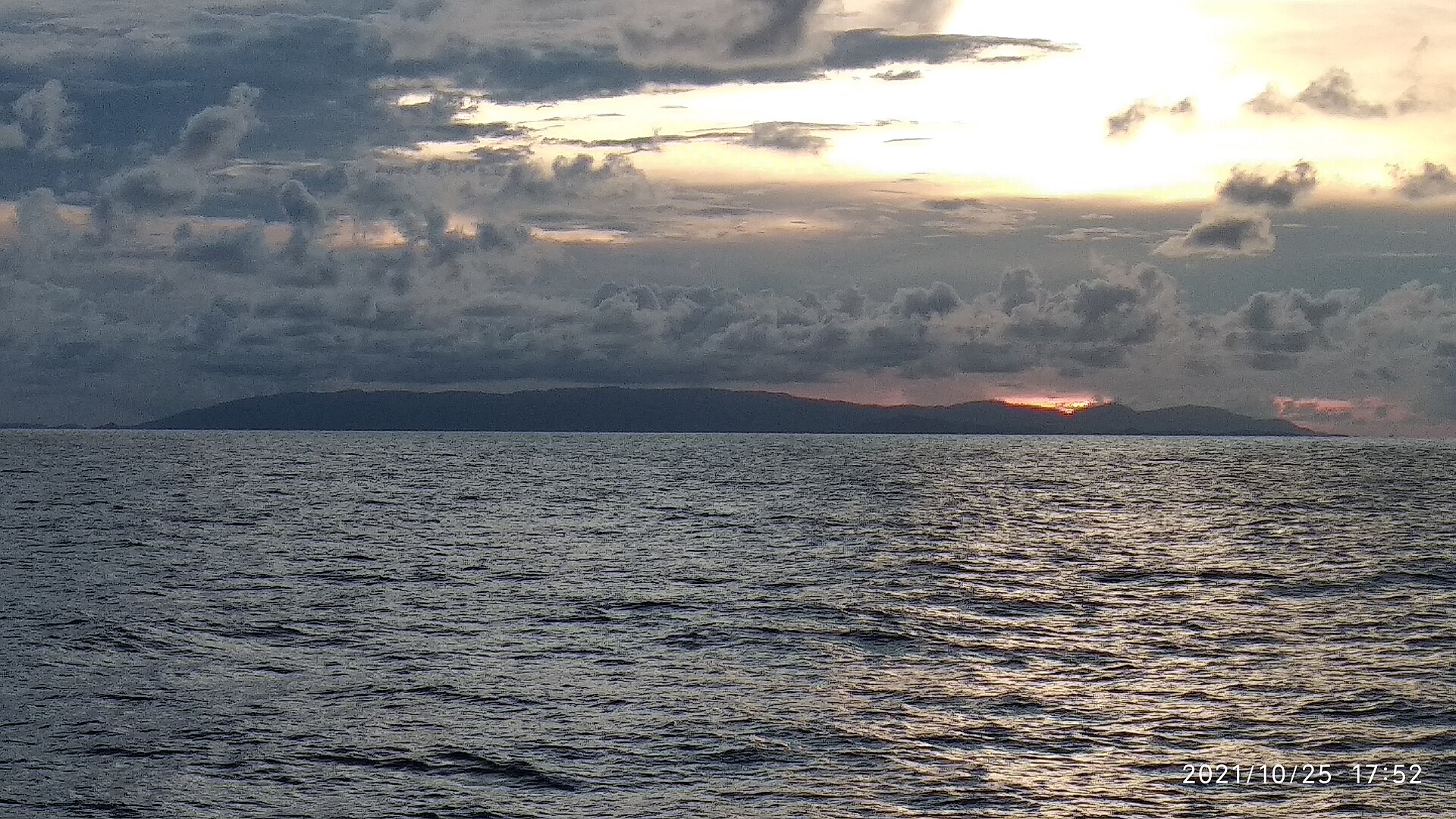

Koh Samui City Municipality describes Bang Po — also commonly written Bang Por in English — as a quiet north-coast beach stretching for more than four kilometres, with seafood and other restaurants scattered along the shore. Its Ban Tai public-beach page describes a quieter, fine-sand beach used for relaxing, swimming and watching the evening light. Those descriptions point to two different evening shapes, not a winner and loser.
This is a deliberately small decision. A first Samui trip already produces enough bigger ones: whether to spend another day offshore, whether to turn one day into an island sightseeing circuit, whether to chase a famous sunset on the opposite coast. Sometimes the useful edit is simply deciding where to spend three unhurried hours without accidentally creating a transport project.
Bang Por: beach first, dinner naturally follows
Bang Por works when you want the coast to stretch rather than peak. The municipal description emphasises its long quiet shoreline, coconut and casuarina trees, views toward Koh Phangan and restaurants dispersed along the beach. In practice, that makes it easier to imagine an evening with chapters: walk, sit, talk, eat.
That is especially useful after a day that already had a main event. If you have just come off a boat or a formal sightseeing route, the broader after-a-boat-day decision is worth applying first. If the answer is “go out, but gently”, Bang Por fits the brief.
Ban Tai: the beach is the evening
Ban Tai suits a different mood. Koh Samui Municipality describes the public beach as quiet, with fine clean sand, shallow water and evening visitors who come to relax, swim, take photos and watch the sunset. That does not mean every evening is a guaranteed swimming or sunset postcard. It means the official framing is beach-led rather than food-led.
If you want to arrive with a book, a friend or absolutely no ambition, Ban Tai has the cleaner job description. It also makes more sense when your trip already includes enough town and dining evenings, such as the choice covered in Nathon vs Fisherman's Village.
Do not turn “quiet” into “remote must be better”
Quiet beaches are easy to romanticise on a map. Then 8:15 pm arrives, you are hungry, your ride plan is vague, and suddenly the serenity has an invoice.
Bang Por is the stronger choice if you want some built-in food options without changing the character of the evening. Ban Tai is stronger when you are genuinely content for the beach to be the event and you have already solved dinner and the ride home. If you need the trip to supply stimulation after the sand, neither is a substitute for a proper town or market evening.
Pick the place that asks less of you. If your hotel or current route already puts you near one of these beaches, proximity should usually beat theoretical superiority. There is no medal for crossing Samui to relax harder.
Bang Por often gives a useful change of texture because the evening can end with food by the shore. If your day already involved several stops and a driver, though, Ban Tai can be the better decompression move precisely because it has less agenda.
Ban Tai gets more attractive. If your first two days somehow became temples, transfers, tours and restaurant bookings, a small beach-led evening can feel more valuable than adding another destination with a checklist.
Bang Por's dinner-and-walk shape gives the evening more structure. Or skip both and choose a completely different contrast such as Hin Lad vs Na Muang for an inland nature block.
The route test: choose the evening you can exit cleanly
- Pin your real starting point. “North coast” is not a single doorstep. Do not compare the beaches in isolation from where your afternoon actually ends.
- Decide the finish before you leave. Dinner near the beach, dinner back at your base, or straight home are three different transport plans.
- Protect the return leg. TAT's current Samui guidance advises agreeing taxi or tuk-tuk fares before departure. If you are not already a confident rider, a quiet-beach evening is a particularly silly reason to experiment with a scooter after dark.
If several scattered stops are competing for the same car time, the existing private driver vs taxis guide explains the transport trade-off. That guide is about execution; this one is about whether the evening deserves the journey at all.
Bang Por wins when dinner is part of the memory
The municipal Bang Po page specifically notes seafood and other restaurants along the shoreline. That matters because the beach does not need a dramatic sunset or perfect swimming conditions to justify the evening. If the sky is merely fine, the plan can still work: walk, sit by the water, then eat.
Bang Por is beach-led; Fisherman’s Village has a more polished town walk and dining scene. If you are deciding between working-town character and a walkable food district instead, use Nathon vs Fisherman's Village. If your priority is one distinctive scenic landmark rather than an unstructured shore evening, Lad Koh vs Hin Ta Hin Yai solves a different problem.
Ban Tai wins when you are protecting softness
Ban Tai is the better edit when your itinerary is already full of things that start at a time. You do not need another reservation, another “must-see”, or another venue where arriving twenty minutes late changes the whole plan. A beach can be enough.
The municipality's current page highlights quietness, fine sand, relaxation, swimming and evening use. Treat that as a description of the place, not a safety guarantee. Conditions on a tropical shore change; if the water looks rough, local warnings say not to swim, or visibility is poor after dark, the decision is made for you. TAT also advises particular caution walking or swimming on beaches at night, especially when alone.
A beach article cannot promise water conditions
Neither official page is a live marine forecast. The sensible rule is simple: make the evening decision by route and mood, then make the swimming decision at the beach using current conditions and local warnings. “The internet said shallow” is not a flotation device.
What if you are staying somewhere else?
If you are based in Chaweng, Lamai or the north-east, do not assume either quiet beach is automatically worth a dedicated cross-island evening. The fact that a place is pleasant does not make the detour free. You may get a better trip by keeping the evening close to home and using your travel time on something Samui does more distinctly the next day.
The same logic appears in the broader four-day Samui resort-day decision: blank space is not a scheduling failure. If you are already moving through the south or east coast, compare a completely different scenic stop in Wat Ratchathammaram vs Wat Khunaram or the north-east temple choice in Big Buddha vs Wat Plai Laem rather than manufacturing a north-coast detour.
For women travelling solo: make the return boring on purpose
A quiet beach is nicest when you are not spending the final half-hour wondering how you are getting back. Save your accommodation pin, decide your ride method before the light goes, and avoid making an unlit beach walk the final transport connection of the night.
TAT's current Koh Samui guidance specifically warns that motorbikes are involved in many serious accidents, recommends defensive riding and helmet use, and advises visitors to agree taxi or tuk-tuk fares before departure. It also advises extra care when walking or swimming on the beach at night, particularly alone. None of that means you need to avoid a quiet evening; it means the logistics should be the boring part.
The five-minute decision
Pick Bang Por if three of these sound like you: you want a longer shoreline walk; seafood or dinner should be part of the outing; you are happy with a beach evening that has a little structure; your route already touches the north or north-west; you would still enjoy the evening if the sunset is ordinary.
Pick Ban Tai if three of these sound like you: you mainly want sand and quiet; you are happy to stay in one small area; dinner is already solved; your itinerary needs less, not more; you want a soft end to the day rather than another named attraction.
If neither description feels exciting, skip both. Samui does not require you to collect beaches. The Koh Samui destination hub and experience guides are more useful than forcing a quiet-beach evening into a trip that clearly wants something else.
Final rule
Bang Por is the better quiet evening when you want beach + walk + dinner to form one complete outing. Ban Tai is the better quiet evening when the beach itself is enough. Choose by the shape of the evening, then let current weather, water conditions and your real return route have the final vote.