
The decision is mostly about commitment, not beauty
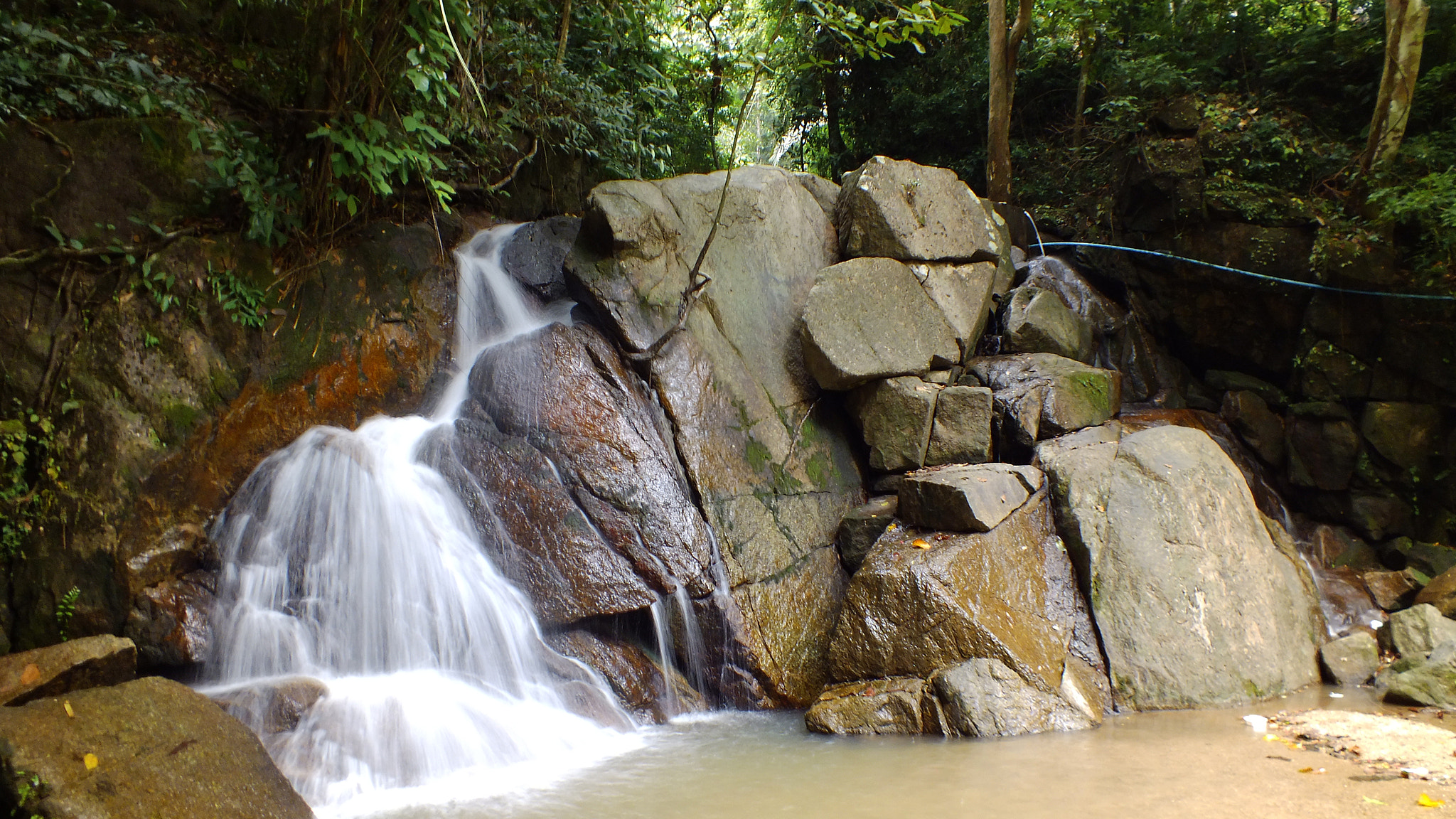
Bang Pae is the better destination waterfall; Kathu is the better opportunistic waterfall. Phuket Provincial Government describes Kathu as smaller than Bang Pae and notes that it carries water mainly in the rainy season. Bang Pae is still a modest Phuket waterfall rather than a giant tropical cascade, but it offers the more deliberate forest-and-stream outing.
First ask where you are starting from
Phuket is large enough that an inland nature stop can quietly become a transport project. Kathu Waterfall sits on the Kathu side of the island, close to the corridor between Phuket Town and Patong. The provincial guide places it about 4 km from Kathu District Office and gives access directions from the road toward Patong. That makes it much easier to treat as a two-hour detour when your day is already on the west or central side.
Bang Pae sits much farther northeast in Pa Klok. The official Phuket page routes visitors via the Heroines Monument and then east toward Pa Klok. If your hotel is around Kata, Karon or Patong, the transfer is a bigger part of the decision than the waterfall itself. If you are still deciding which beach base creates the least daily friction, use Where to Stay Phuket before building a waterfall day around a map pin.
Pick Kathu when the waterfall is a bonus
Kathu works best when rain has put water back into the cascades, you are already nearby, and you would still be happy if the visit turns into a shaded forest walk rather than a dramatic waterfall reveal. The provincial description is unusually candid: it says the waterfall is smaller than Bang Pae and Ton Sai and has water mainly in the rainy season.
Pick Bang Pae when the waterfall is the plan
Bang Pae works better when you are willing to travel for a forest setting, streams and waterfall pools rather than squeeze nature between shopping and dinner. Phuket's official page describes the waterfall among large shady trees and notes that local visitors use the ponds and streams for bathing and play.
Kathu is a rainy-season idea — but rain is not automatically good news
Kathu's biggest strength and biggest weakness are the same thing: its character changes with rainfall. The provincial government explicitly says water is present mainly in the rainy season. That means an old photo is a poor reason to cross Phuket for it in a dry spell, but a wet week can make the stop much more rewarding.
Heavy rain also changes safety. Thailand's Department of National Parks waterfall-safety guidance warns visitors to watch the water level and flow, avoid crossings or swimming when current is strong, and get out of streams if water turns muddy after prolonged rain upstream. The useful rule is simple: judge the water you actually see, not the waterfall you expected.
Do not chase “maximum flow”
A waterfall can look more dramatic after heavy rain and simultaneously be less sensible to enter. Slippery rock, fast current and sudden upstream runoff matter more than whether the cascade photographs well. If rain has been intense or local staff close access, treat that as the answer rather than a problem to work around.
If the weather is disrupting the whole island day, solve the bigger itinerary first with the Phuket cancelled-boat Plan B guide instead of automatically replacing a boat tour with a waterfall.
Bang Pae has one extra layer — but old advice about the gibbons is outdated
Bang Pae is widely associated with the Gibbon Rehabilitation Project, which has worked for decades to rehabilitate and reintroduce gibbons. That conservation context can make the northeast trip more meaningful, but it is important not to treat the project as a casual walk-in attraction.
If the gibbons matter to your decision, book first
The project's current visitor page says visits are available only through booked learning sessions. On days without bookings, there may be no staff on site and the project remains closed. It also limits daily visitor numbers. In other words, do not choose Bang Pae because an old blog post made it sound as if a spontaneous gibbon-centre visit is automatically included with the waterfall.
If you want the learning programme, verify the official session calendar directly with the project before you leave your hotel. If you only want the waterfall, let Bang Pae stand on its own merits.
The five situations that make the choice easy
You are staying in Patong or Kathu
Kathu usually makes more sense if recent rain means there is worthwhile flow. The point is not that Kathu is a better waterfall; it is that a low-commitment nature break can be worth more than spending a large part of the day crossing the island.
You are already in northern or north-eastern Phuket
Bang Pae. If the route already brings you near Thalang, Pa Klok or the Heroines Monument, the transport penalty drops sharply. You can then judge Bang Pae as a rainforest stop rather than as a long transfer from the west coast.
You want the stronger waterfall-first outing
Bang Pae. The official Kathu page itself says Kathu is smaller. Bang Pae still should not be imagined as a huge national-park waterfall, but it gives the trip a clearer “we came here for the waterfall” identity.
You only want a short green reset
Kathu. If your itinerary already contains proper island and beach days, a nearby waterfall walk can be enough. The same logic applies elsewhere on the island: Saphan Hin vs Suan Luang Park is useful when the real need is a low-intensity local break rather than a headline sight.
You want nature plus conservation education
Bang Pae, but only if the Gibbon Rehabilitation Project has an appropriate booked learning session. That is a separate plan with its own schedule and rules, not a free extra you can assume will be open.
Do not compare either waterfall with Phuket's best beaches
This sounds obvious, but waterfall days often get oversold as a substitute for everything else. Kathu and Bang Pae are useful because they change the texture of a Phuket trip. They do not need to compete with Racha Yai, Coral Island or a beach afternoon.
If the question is really whether you should protect one more marine day, use Racha Yai vs Coral Island. If you are looking for a quiet south-east coast block instead, Ao Yon vs Cape Panwa is the more relevant decision. Choose an inland waterfall day when greenery is the goal; use the beach forecast to plan a separate coastal day.
A sensible Kathu half-day
Keep it deliberately small. Check recent rainfall and local access, go while you still have comfortable daylight, walk only as far as conditions and footwear make sensible, then continue into Kathu, Phuket Town or back toward your west-coast base. If you are already planning a town-side afternoon, Khao Rang vs Monkey Hill helps decide whether you need another inland stop at all.
A sensible Bang Pae half-day
Treat Pa Klok as a real outing. Confirm the return ride before you disappear into the forest, allow time for the waterfall itself, and add the Gibbon Rehabilitation Project only if you have a valid booked session. If northern Phuket culture is also on your radar, Wat Phra Thong vs Wat Chalong helps decide whether a temple belongs in the same wider day.
Women travelling solo: the return plan matters more at Bang Pae
Make “easy to leave” part of the choice
Kathu's location gives it the cleaner exit for many west- and central-side travellers. Bang Pae's forest setting and north-eastern location make it more important to know how you are getting back before you settle into the visit.
For either waterfall, wear footwear with grip, keep your phone protected from rain, avoid isolated slippery sections when visibility is poor, and do not stay in the water simply because other visitors are doing so. If using app rides or a private driver, confirm the pickup point and return arrangement before mobile signal or heavy rain becomes part of the problem.
What if you do not want a waterfall after all?
Phuket's inland choices are increasingly good enough that you do not need to force this comparison. For a culture-led half-day, Phuket Aquarium vs Thai Hua Museum solves indoor learning rather than nature. For a city panorama, Khao Rang vs Phuket Old Town compares the short scenic stop with a proper heritage district. And if your evening matters more than your afternoon, Chillva vs Naka Weekend Market solves a completely different use of your energy.
The rule I would use
Choose Bang Pae when you are willing to spend real transfer time because you actually want a waterfall-and-rainforest outing. Choose Kathu when recent rain makes it worthwhile and your geography turns it into an easy green detour.
If you are crossing half the island only because “Kathu Waterfall” appears on a list, skip it. If you are driving to Bang Pae only because you assume the gibbon project is a casual walk-in, recheck that assumption first. A good Phuket itinerary protects the experiences you genuinely want and removes the friction you do not.
Continue with the Phuket destination hub or browse more Do Thailand experience decisions.
Sources checked
Phuket Provincial Government — Kathu Waterfall
Phuket Provincial Government — Bang Pae Waterfall
Gibbon Rehabilitation Project — current Phuket visit and booking rules
Department of National Parks / PRD — waterfall rainy-season safety guidance
Verification note: Waterfall flow, access, staff instructions and weather risk can change quickly. Kathu is explicitly seasonal in Phuket's official description. The Gibbon Rehabilitation Project currently uses booked learning sessions rather than guaranteed casual walk-ins. Recheck same-day conditions before travelling.