
South Phuket is where short itineraries start to over-collect map pins. Nai Harn, Ya Nui, Windmill Viewpoint, Promthep Cape and Rawai all look close enough to stack into one afternoon. The useful decision is simpler: do you want the afternoon to remain a beach experience, or change into a waterfront-and-food experience?
This guide assumes your hotel is already chosen. If you are deciding where to sleep, use Nai Harn vs Kata or the broader where to stay in Phuket guide. A one-off afternoon and a hotel-base decision are different search intents.
The fast answer
Good beach conditions + you genuinely want sand time: Nai Harn → Ya Nui. Several beach days already + you want a lower-friction late afternoon and meal: Rawai.
Do not choose Rawai because it is “another beach”, and do not choose Nai Harn because every Phuket day supposedly needs a swim.
Nai Harn → Ya Nui
Phuket Province places Nai Harn north of Promthep Cape and Ya Nui between Windmill Viewpoint and Promthep. The geography gives you one coherent line: meaningful beach time first, then a smaller cove or viewpoint only if energy and conditions still justify moving.
Rawai → dinner
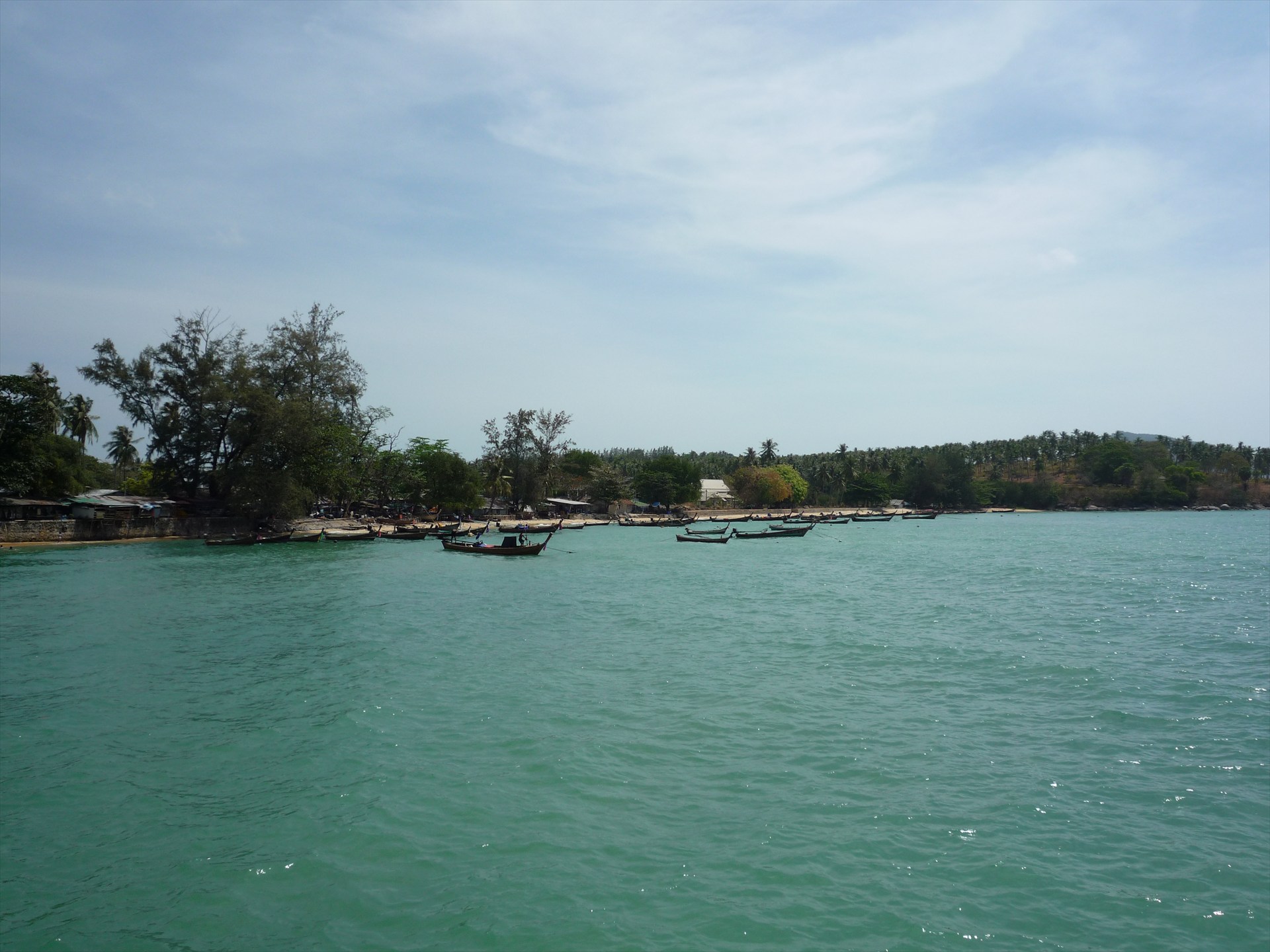
Phuket Province describes Rawai as a shoreline with a sea-gypsy community at the southern end, many long-tail and speed boats, restaurants and access to offshore islands. For this itinerary, the value is the waterfront itself—not squeezing in another serious swim.
Choose Nai Harn and Ya Nui when you still want to be on the beach
Nai Harn is the stronger anchor when the physical feeling of the afternoon matters: towel down, shoes off, actual time in one place. The provincial visitor page describes a broad beach with a freshwater lagoon behind it and warns that strong currents can affect swimming from May to October. That warning matters because this option loses value if you planned it as a swim-first afternoon and local conditions say otherwise.
After Nai Harn, Ya Nui works best as a second chapter, not a second full beach day. It is a tiny cove between Windmill Viewpoint and Promthep Cape. If you are still choosing the smaller beach, compare Ya Nui vs Ao Sane. If the real goal is an elevated coastal view, use Karon Viewpoint vs Windmill Viewpoint instead of collecting every south-coast pin.
The route works because it has one mood. Beach time tapers into a small cove, a headland view or a sunset decision. If sunset itself is the priority, separate it with stay on your beach vs go to Promthep Cape.
Choose Rawai when you want the afternoon to change texture
Rawai is most useful when you stop treating it as a substitute for Nai Harn. Phuket Province's current visitor information describes a shoreline filled with long-tail and speed boats, a sea-gypsy community at the southern end, plus restaurants and accommodation. Tourism Authority of Thailand also continues to use Rawai in official Phuket day routes. That makes it a legitimate destination block even when you are not boarding a boat.
For a beach-heavy first trip, this contrast is valuable. If you have already done Kata or Karon, a marine excursion and another south-west beach, spending late afternoon looking at boats, walking the waterfront and eating before returning to your base can make the trip feel broader without another swimsuit change.
Rawai also fits naturally after an inland block. If the earlier decision was Wat Chalong or Phuket Old Town, a waterfront finish creates a clean shift. If Old Town itself still needs a larger allocation, settle that first with Old Town: full day or evening.
Decide by what you are willing to lose
You give up some food-led waterfront texture and spend more of the remaining daylight managing beach conditions, changing and deciding whether one more coastal stop is really worth it.
You give up the stronger “last beautiful beach afternoon” feeling. Rawai can be atmospheric, but it should not be selected because you expect the same sand-and-swim experience as Nai Harn.
You usually give up depth. Nai Harn for 40 minutes, Ya Nui for 20, Windmill for 10 and Rawai for a rushed meal is technically efficient and experientially fragmented.
| Priority | Better choice | Reason |
|---|---|---|
| One more meaningful beach block | Nai Harn → Ya Nui | Beach time remains the main event. |
| Food and waterfront atmosphere | Rawai | Restaurants, boats and the working shoreline create a different late-day texture. |
| Sunset is the objective | Neither automatically | Use the dedicated sunset/viewpoint decision rather than adding compulsory stops. |
| Sea conditions look poor | Rawai more often | The outing still works as a waterfront-and-meal block when swimming is downgraded. |
| You hate extra rides | Choose one south-coast block | Route coherence matters more than coverage. |
Weather can flip the answer without cancelling the afternoon
First ask whether it is pleasant enough to be outside. If not, neither option needs to be forced; use the cancelled boat-day Plan B framework instead.
Then ask whether the sea suits the swim you intended. Nai Harn's official page warns about strong currents from May to October. A beach can still look photogenic when entering the water is a bad idea. If the sea is the weak link but the afternoon is otherwise fine, Rawai becomes the more resilient choice.
This is also why I would not make a scooter the silent assumption behind the route. Roads, rain, darkness and alcohol can change the risk quickly. If your plan keeps depending on self-drive, read Phuket scooter vs Grab before building the evening around it.
If you are staying in Kata or Karon
Do not undermine a self-contained beach base by commuting south every afternoon. If you chose Kata or Karon for easy beach-town days, make this a deliberate one-off. Pick Nai Harn–Ya Nui when the special beach-and-coast afternoon is the point. Pick Rawai when the dinner and working-waterfront contrast is the point.
If you only want “somewhere different tonight”, a closer outing may be smarter. Our Patong nightlife from Kata guide asks the same useful question in another direction: is the destination itself the experience, or are you moving because the map offers more pins?
For women travelling solo, solve the return before sunset
Save a clear pickup pin before it gets dark. If Rawai turns into dinner and drinks, use a sober return rather than treating a scooter as the fallback. Phuket Smart Bus currently serves the Airport–Rawai west-coast corridor, but its own timetable says times can vary with traffic and directs riders to live tracking, so never build a late return around an assumed bus.
Thailand Tourist Police currently lists hotline 1155; its January 2026 safety information says the service operates 24 hours with multilingual support. Keep that number accessible, but the everyday advantage is simpler: know how you are getting back before adding the final stop.
Three realistic first-trip versions
Four full days and one strong beach day already: Rawai gives the trip more texture.
Only one south-coast afternoon and beaches are why you came: choose Nai Harn, then add Ya Nui only if the day still feels relaxed.
You landed late and this is the first usable day: reduce the ambition. The first full day: beach recovery or Old Town guide is a better upstream decision than immediately committing to a multi-stop loop.
The final rule
Nai Harn + Ya Nui is a beach afternoon with scenery attached. Rawai is a waterfront-and-food afternoon with the sea as its backdrop. Choose the version you would still enjoy if the sunset is ordinary.
Then stop adding pins. Return to the Phuket decision hub or browse other experience decisions only when there is another real question to solve.
Phuket Provincial Government: Nai Harn Beach, Ya Nui Beach, Rawai Beach. Tourism Authority of Thailand: official Phuket–Phang Nga route. Phuket Smart Bus: Airport–Rawai route and timetable/live tracking. Tourist Police Bureau: 1155 contact information. Check same-day beach flags and transport before entering the water or staying late.