
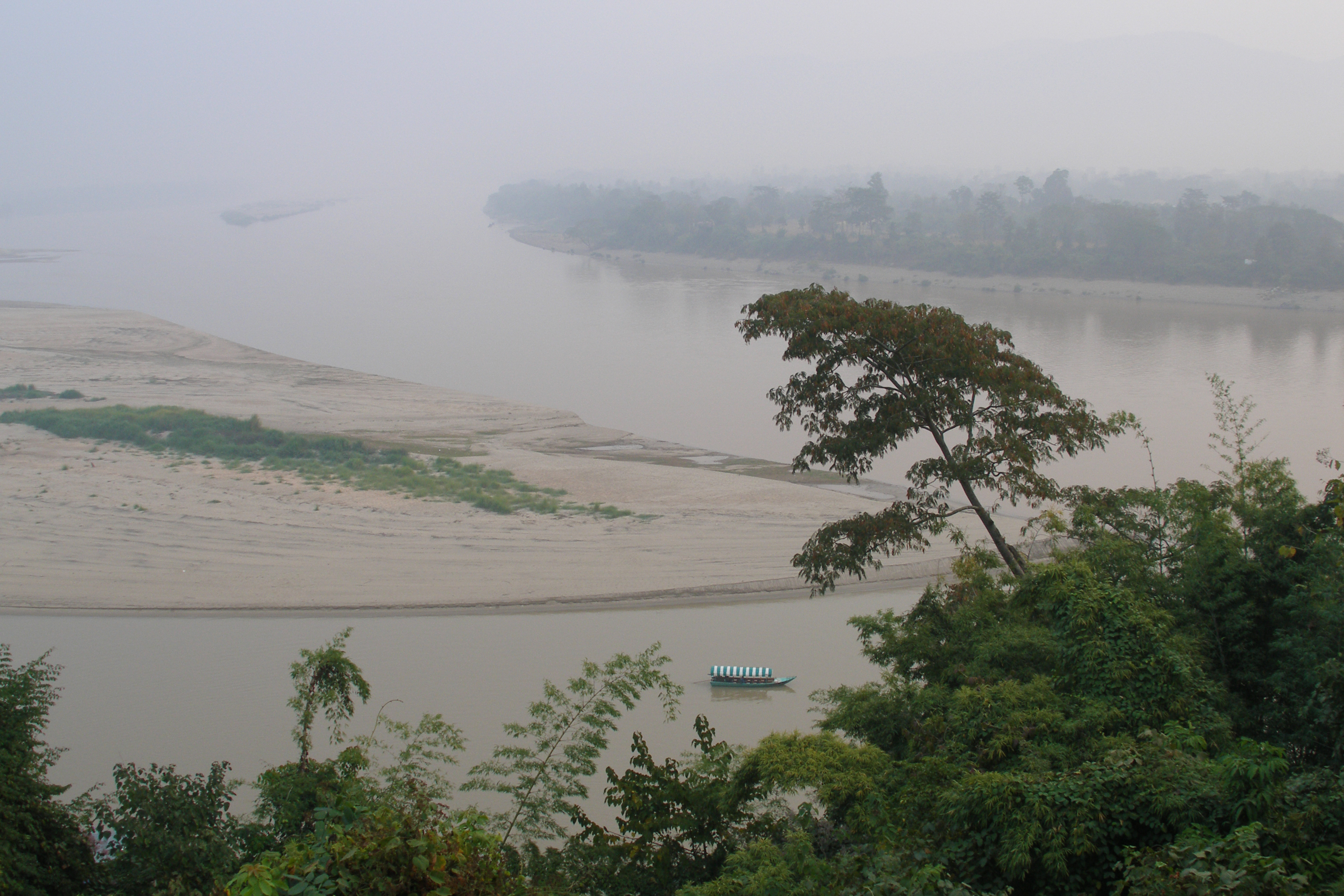
The Golden Triangle asks for a different kind of hotel decision than a Chiang Rai city night. These two properties sit in the Chiang Saen countryside, roughly an hour from Chiang Rai Airport by road. A regular city dinner, temple stop or café run is not something to improvise between pool time and sunset. The resort becomes the base, the dining plan, and often the day’s main activity.
That changes what I compare. A nightly rate by itself tells little when a package may bundle meals, airport transfers and one or more hosted experiences. I would price the complete two-night stay for the same dates, room occupancy, drinks and transfer needs, then ask what each included activity actually means in the itinerary. Anantara’s listed Golden Triangle Luxury Explorer package includes full-board dining, airport transfers and a choice of daily activities; Four Seasons describes its camp as an all-inclusive stay with two-, three- and four-night formats. The package name alone is not enough: confirm the live offer’s exact inclusions before paying.
This is a comparison of two high-end, remote retreats, not a claim that one is universally better. Both can work for a couple, two friends, or a parent traveling with an older child. The useful distinction is the balance between a full-service resort and a small tented camp. Four Seasons currently restricts camp stays to guests age nine and older; Anantara’s regular rooms have a maximum occupancy of three adults, while suite categories vary. If your party includes children, check the precise room and offer rules rather than relying on the property-level headline.
What the two-night plan actually buys
With only two nights, arrival and departure take up a meaningful piece of the escape. You are not arriving at a hotel in town and heading straight back out for dinner. Anantara says the drive from Chiang Rai Airport takes about an hour. Its special Explorer’s Arrival adds a car-to-Chiang Saen connection and a longtail boat journey on the Mekong before the final approach to the resort; it is an arranged experience, not the default transfer to assume is included.
Four Seasons also makes arrival part of the camp experience, with a boat arrival available as one of its services. Its current two-night package describes a personalized excursion and all-inclusive benefits, but the package detail should be checked for your selected dates. The operating model is more camp-like: the property lists 15 tents plus an Explorer’s Lodge, a riverside pool, Burma Bar, Nong Yao restaurant, a wine cellar, guided activities and an outdoor spa. That scale suits a stay where you expect to spend most waking hours on the property.
Anantara has a larger room-and-suite mix, a 160-acre setting, multiple dining formats and a wider range of named experiences. A couple could fit a cooking class, a spa session, a museum visit or an elephant-related program around meals without treating every hour as a camp activity. Its more recent offer listings distinguish between package inclusions and direct-booking benefits, so I would not assume every advertised extra is included in every reservation.
For this short stay, I would leave at least one broad block of unplanned time. One included activity each day can make a package feel generous; scheduling every available option can turn a quiet retreat into a checklist. When comparing offers, line up the actual activities rather than their marketing labels: which one is included per night, whether it is private or shared, whether a spa treatment is included, and whether a transfer is round-trip.
Anantara Golden Triangle · Package and room choice
Compare Anantara dates and room options
Use the same two nights and guest count, then check whether full-board meals, airport transfers and the activity choice appear in the offer you select.
Anantara’s standard room is a compact view-first choice
The Deluxe Three Country View Room measures 32 square meters, sleeps up to three adults, and is sold with either a king or twin setup. The design leans into teak flooring, hill-tribe fabrics and local artwork. A private balcony and Thai daybed give the room its best use: opening the doors, lingering over the landscape, and watching the light move across the hills. The terrazzo soaking tub is positioned so the partition can be opened toward the view.
For two adults, that is a comfortable room rather than a sprawling suite. If the trip includes long stretches in the room or you want more separation between sleeping and lounging, the 64-square-meter Three Country View Suite or one of the newer Mekong Explorer suite categories changes the calculation. Ask which exact view and room type are attached to the rate; “three-country view” is a category name, not a guarantee that every balcony frames the same panorama at every angle.
The built-in minibar and coffee machine are useful once you are away from town, but they do not replace a proper meal plan. When the package includes full board, the room becomes a calm private retreat between activities. On a room-only or breakfast-only rate, the resort’s remote position means you should budget for most meals on property rather than planning around casual nearby alternatives.
Room descriptions below refer to the published category and listed features; this page does not reproduce Anantara room photographs.
Anantara’s advantage is choice around the room. The main restaurant, bars, spa, cooking school, treetop dining and planned outings create more ways to shape a day. Canopy, its treetop dining experience, is a separate bookable option rather than something I would treat as a routine package inclusion. Likewise, the property’s Jungle Bubble is an overnight experience requiring a separate reservation; it does not replace the booked room by default.
Four Seasons makes the tent the center of the stay
The Bamboo Tent and Mekong Tent each list 54 square meters and a maximum of three guests. They have a king or twin beds, a full bath within the living area, an outdoor rain shower, and a private deck. The Golden Triangle Tent adds a custom wooden tub outdoors; the Mekong Tent is described with Ruak River and Myanmar mountain views. Each tent has a distinct design concept, so the photos are a guide to the camp’s style rather than a promise that your assigned tent will match every detail.
That open-air layout is the appeal, and also the point to think through before booking. The camp is designed to blur the edge between inside and jungle. Canvas, open views and the outdoor shower feel immersive, but they are not the same as the sealed, conventional bedroom of a city hotel. For a traveler who wants a refined room but a strong sense of being outdoors, this is the more distinctive category. Someone sensitive to insects, sound or sleeping close to nature may prefer Anantara’s traditional resort-room envelope.
Four Seasons’ camp has a compact social rhythm. Burma Bar overlooks the Ruak River, Nong Yao handles the main restaurant role, and the wine cellar offers a more intimate setting. The riverside pool, treetop walkways and guided activities give guests natural points to cross paths without making the property feel like a large resort complex. I would pick it for a couple that wants shared camp moments—a sunset drink, a guided excursion, a long dinner—rather than a broad choice of independent venues.
The tent descriptions below compare published category features; this page does not reproduce Four Seasons tent photographs.
Room, dining and activity scores
The scores below reflect this specific two-night decision. Each point has a practical reason: room category, dining choice, inclusions, location or how easy it is to use the stay. They are not a forecast of an individual guest’s experience.
Anantara Golden Triangle · resort-and-experience mix
The standard room has a balcony, soaking tub and daybed; move to a 64-square-meter suite when separate lounging space matters.
The listed activities span spa, cooking and nature-led choices, making it easier to build a gentler schedule around the included experiences.
Several dining settings and a regional Thai-Lao-Burmese menu give the resort more variety for a two-night stay.
The ridge-top setting, three-country outlook and curated Mekong experiences make the northern location central to the hotel.
The drive is about an hour from Chiang Rai Airport, and an included transfer depends on booking the qualifying package and dates.
The package can combine meals, transfer and one chosen activity per night, although the 3-night Stay Longer offer does not fit a two-night visit.
Four Seasons Tented Camp · intimate tented camp
A 54-square-meter tent with a private deck, indoor bath and outdoor shower gives the room a distinctive indoor-outdoor feel.
Camp activities and excursions are built into the all-inclusive model, with package choices shaping the two-night schedule.
Nong Yao, Burma Bar and the wine cellar suit a small-camp stay, with meals and beverage inclusions depending on the selected package.
A small number of tents and a tucked-away jungle setting make the camp feel secluded without requiring a private villa category.
The remote setting is part of the draw, but guests need to coordinate the airport journey and any boat-arrival details.
A current two-night offer exists, so the stay can access the camp format without stretching to three nights; verify its exact inclusions for your dates.
Which one I would book for a couple
I would choose Anantara for a couple that likes having options but does not want every hour arranged. It has the more conventional resort room, multiple ways to spend an afternoon, and a package structure that can make a two-night stay feel complete. The cooking school, spa and museum provide alternatives to a single signature outing. I would pay for the larger suite only if the extra living area will be used; the standard room already gives two guests a balcony, tub and daybed.
Four Seasons is my pick when the tent itself is a reason for coming north. It is easier to imagine a deliberate two-night sequence there: arrive, settle into a tent, take a guided experience, spend time by the river, then let dinner and a drink close the evening. A traveler who wants a conventional resort layout, a wider choice of on-property activities, or a city-and-country split should lean Anantara instead.
There is a meaningful age and comfort distinction. Four Seasons currently permits guests from age nine and up, with ages nine to eighteen charged the adult rate. Its outdoor bathing and open tent design are part of the experience. Anantara is the more flexible choice for a mixed-age party or someone who simply sleeps better in a regular enclosed room. Neither feature should be treated as a footnote if it affects your group.
For a two-night booking, I would compare the full trip total rather than a headline room rate. Add the meals not included, airport transfer, drinks, selected experiences and any third-person charge. Then check cancellation terms and whether a package requires a direct reservation. The lowest displayed rate may exclude precisely the things that make a remote Golden Triangle stay work.
Four Seasons Tented Camp · Tent and two-night package
Compare tent options for your dates
Check the selected tent, guest age and occupancy, then confirm the two-night package’s meals, transfers, beverages and activity inclusions.
A practical way to make the final call
Start with the arrival plan. If the Anantara transfer is part of the chosen offer, confirm the pickup window and vehicle. If you want the river arrival, ask whether it is available on your date and what it adds to the journey. At Four Seasons, confirm the transfer and boat arrival details through the camp before locking the timing of flights. The remote setting means a late arrival or tight return can take a larger bite out of a two-night stay than it would in Chiang Rai city.
Next, compare the rooms rather than the hotel names. Anantara’s Deluxe Three Country View room is the better value when the couple mainly needs a comfortable base with a balcony. A suite makes sense when you will spend more time inside or want more room to spread out. Four Seasons’ 54-square-meter tent is a category built around its deck and open-air arrangement, not merely a bigger bed. Ask whether the exact tent has a river-facing deck or a different aspect; location and design concepts vary.
Finally, write the package inclusions down in plain language. For each property, note meal coverage, whether nonalcoholic or alcoholic drinks are included, the number and type of activities, spa treatment terms, transfer coverage, and any supplement for an extra guest. Anantara’s current package information specifies full-board meals with nonalcoholic beverages and an activity choice for each night on the relevant package; other offers can vary. Four Seasons’ current offer pages list a mix of all-inclusive formats and package-specific excursions. Do not carry an inclusion from one offer into another.
If those lines are close and both rooms appeal, choose based on how you want the quiet hours to feel. Anantara leaves more room for a resort day that can change shape. Four Seasons makes the camp itself the itinerary. That is the distinction I would use to book, not a star rating or a resort name alone.
My short answer
Book Anantara for a flexible resort retreat with a conventional room, broader dining choice and a package that can combine meals, transfer and a selected experience. Book Four Seasons Tented Camp for the more immersive tent, camp-scale service and an all-inclusive stay designed around hosted activities. For two nights, either can justify the trip when the package matches your actual plans; confirm exact inclusions, room assignment and transfer before committing.
Sources checked
- Anantara Golden Triangle — Deluxe Three Country View Room — area, occupancy, beds, balcony, tub and listed room features; its photographs are not reproduced here.
- Anantara — Golden Triangle Luxury Explorer Stay Longer Package — meal, activity, transfer and offer conditions; this three-night offer is not treated as a two-night deal.
- Anantara — current resort offers — package families and current inclusion categories.
- Anantara — contact and arrival information — airport drive estimate and Explorer’s Arrival arrangements.
- Anantara — Samsarn dining — regional menu and operating hours.
- Anantara — Elephant Camp experiences — current activity descriptions and package/add-on distinction.
- Four Seasons — Bamboo Tent — size, occupancy, bed, bath and tent features.
- Four Seasons — Mekong Tent — size, occupancy, river views and interior layout.
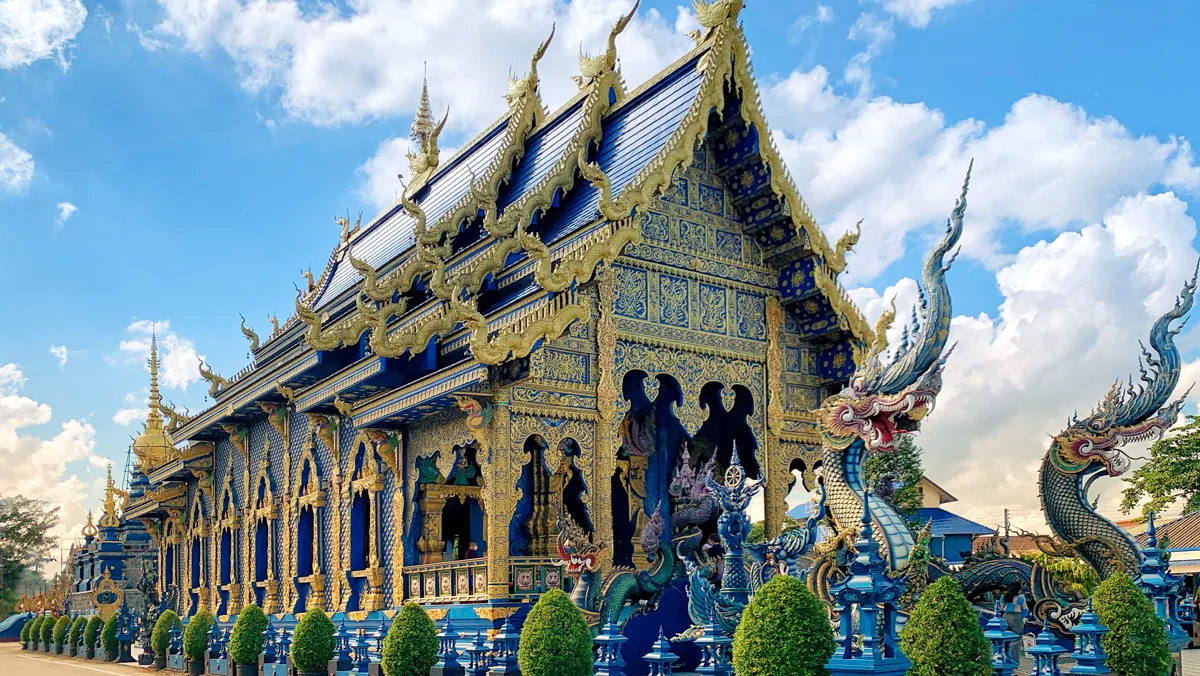
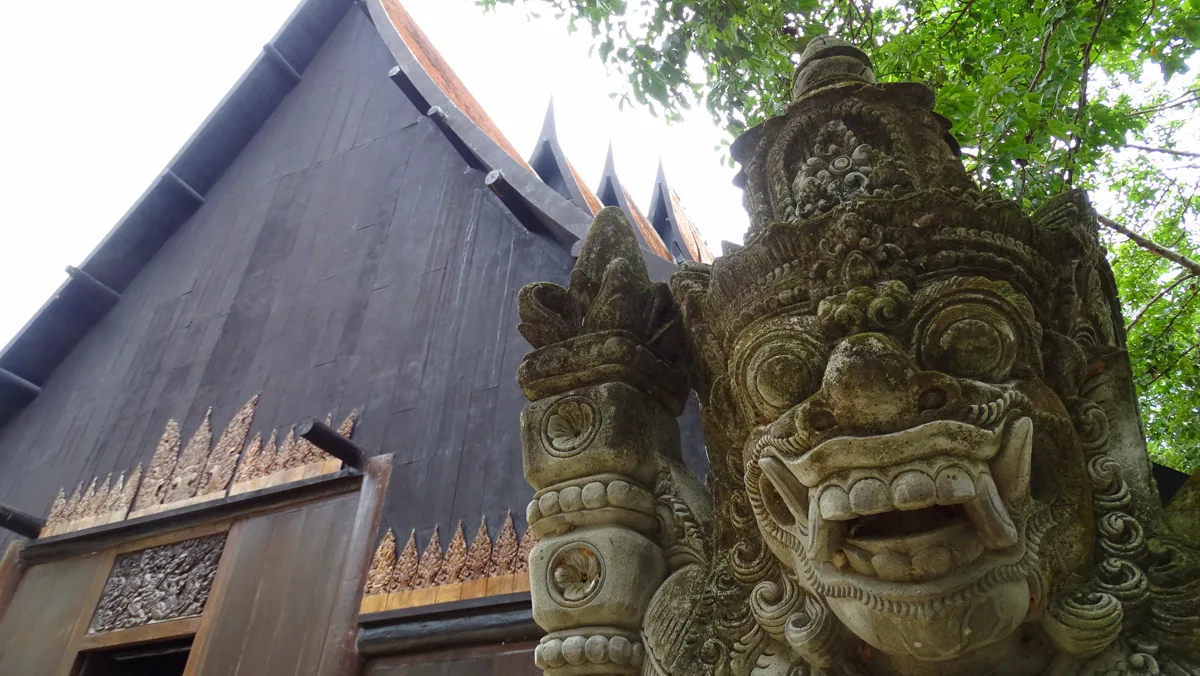
- Photo credits and licenses: Wat Rong Suea Ten — Chainwit., CC BY-SA 4.0; and Baan Dam — Adam Jones, CC BY-SA 2.0. Both local derivatives are cropped and resized WebP files; each image caption identifies its location and author.
- Wat Rong Suea Ten photograph — Chainwit., CC BY-SA 4.0; shown as a Chiang Rai city excursion, not a Golden Triangle landmark.
- Baan Dam photograph — Adam Jones, CC BY-SA 2.0; shown as a wider Chiang Rai excursion.
- Four Seasons — current camp offers — two-, three- and four-night package overview and guest age policy.
- Four Seasons — camp services and amenities — dining venues, river pool, camp activities and all-inclusive format.